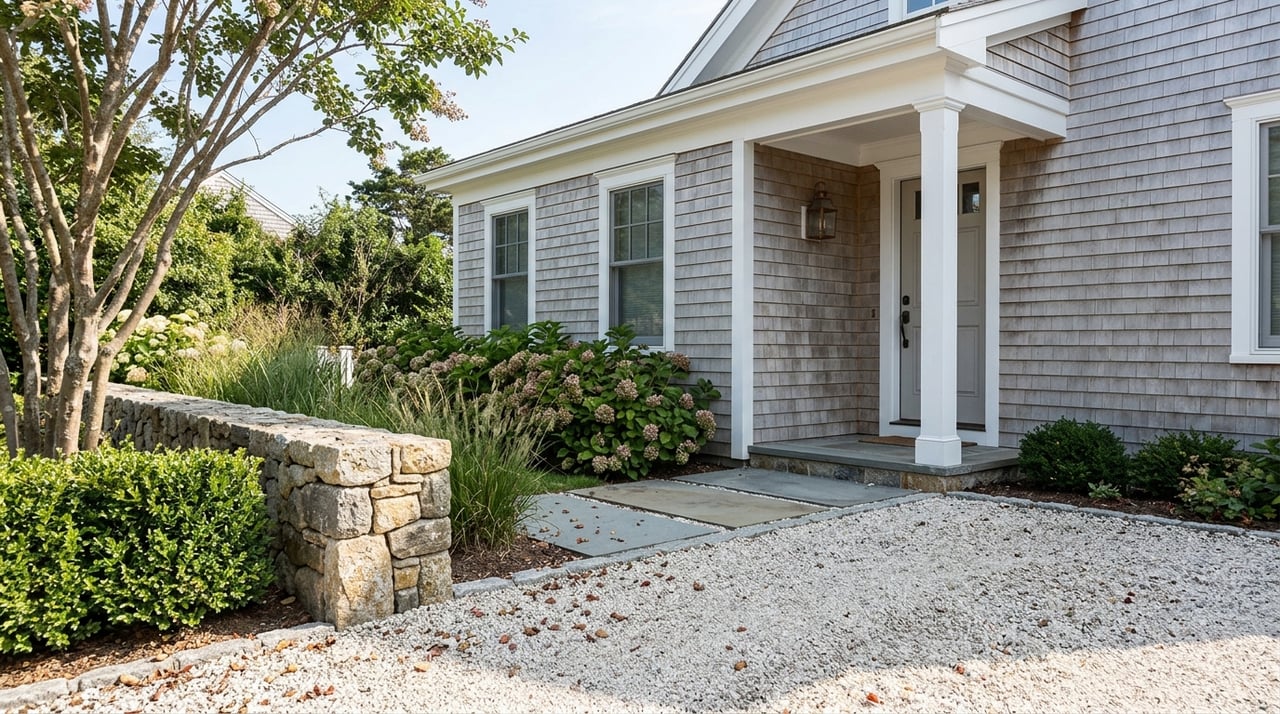
Amagansett Dunes, Lanes & Village: How to Choose
July 2, 2026
July 2, 2026
If you are looking at Amagansett real estate, three words can change the whole conversation: Dunes, Lanes, and village. Those labels sound simple, but they point to very different settings, rhythms, and buyer priorities. If you want to understand what each area really offers before you tour or make an offer, this guide will help you decode the map and the lifestyle. Let’s dive in.
Amagansett is a hamlet in the Town of East Hampton in Suffolk County, not Nassau County. That matters because local records and planning documents place it clearly within East Hampton and Suffolk, which shapes how the area is described in official sources.
Part of what makes Amagansett feel different is how much land has stayed protected. East Hampton Town says about 44.75% of Amagansett is preserved open space, and the hamlet has roughly seven miles of ocean frontage. In practical terms, that helps explain the low-density coastal character that many buyers notice right away.
Before you focus on a specific listing, it helps to understand the broad differences between these three pockets.
| Area | General Setting | Best Known For | Typical Buyer Priority |
|---|---|---|---|
| Dunes | South of Montauk Highway in the Beach Hampton area | Privacy, coastal feel, beach-focused setting | Seclusion and access to a protected shoreline environment |
| Lanes | South of the highway between Indian Wells, Atlantic Avenue, and Bluff Road | Balance of beach and village access | Walkability to both ocean and Main Street amenities |
| Village | Historic Center and Main Street core | Shops, eateries, services, and historic character | Everyday convenience and walkable village living |
These categories are useful shorthand, but they are not interchangeable. A home in one pocket can live very differently from a home in another, even when the distance on a map looks small.
The Dunes is the local name for the Beach Hampton area south of Montauk Highway between Mako Lane and Napeague Lane. The Amagansett East Association describes it as a quiet coastal hideaway with paved and unpaved beach roads, three member beach-access walkways, and six private roads maintained for residents.
For many buyers, that translates to a more tucked-away, beach-first setting. The feel here is often less about being near shops and more about being close to sand, open sky, and a quieter street pattern.
The coastal environment is a big part of the story in this section of Amagansett. The nearby Amagansett National Wildlife Refuge sits on the Atlantic shore and includes a unique double dune system, according to the U.S. Fish & Wildlife Service.
That protected landscape helps explain the area’s low-key character. If you are drawn to a quieter atmosphere and a more natural coastal edge, the Dunes often stand out for exactly that reason.
One common misunderstanding is assuming that “Dunes” automatically means direct public beach access. It does not. The association-managed walkways are for members, and the adjacent refuge has seasonal public beach access restrictions from March 30 through August 31 to protect nesting birds. The back-dune area is closed to all entry.
That is why access details matter so much when you evaluate a listing in this area. A home may offer a strong coastal setting, but the practical beach experience can depend on the exact location and the access rights tied to it.
The Lanes refers to the area south of the highway between Indian Wells, Atlantic Avenue, and Bluff Road within Amagansett’s medium-density residential belt. Local planning materials and preservation sources place the Lanes in a position that is notably close to both the ocean and the village core.
The East Hampton Trails Preservation Society describes the Amagansett Lanes as streets that straddle two historic districts and sit equidistant to the ocean and the village. ArchDaily also notes that these are walkable streets set perpendicular to Main Street, with a diverse range of houses and styles and walking distance to the ocean.
If you want a middle ground, the Lanes often offer it. This pocket is commonly understood as the most balanced option between beach proximity and village convenience, based on planning and design sources.
That balance can be especially appealing if you want to enjoy the shoreline without giving up easy access to Main Street. For seasonal owners, second-home buyers, and full-time residents alike, that combination often supports a flexible Hamptons lifestyle.
Older homes have historically been prevalent in the Lanes, which gives the area a layered architectural feel. In many cases, listings here emphasize homes that fit the neighborhood context rather than overpower it.
For you as a buyer, that can mean paying attention not just to square footage, but also to siting, scale, and how a house relates to the streetscape. In a place like the Lanes, neighborhood fit can be part of long-term appeal.
When people talk about village living in Amagansett, they are usually referring to the Historic Center or Main Street core. East Hampton Town’s business-district planning documents describe this area as running from Windmill Lane to Miankoma Lane and define it as a compact, walkable district with small-town qualities, specialty shops, eateries, and strong pedestrian circulation.
This is the part of Amagansett where convenience tends to lead the conversation. If you want to be able to move through town on foot and stay close to daily destinations, the village core is usually the clearest fit.
The Historic Center is also the most preservation-oriented of the three areas. Town guidelines describe a rural setting that includes historic houses, barns, community buildings, and commercial buildings, with open front yards and traditional fences as characteristic features.
The same guidelines note that natural-shingle siding and white-painted exteriors are common visual elements. This does not mean every property looks the same, but it does show how strongly the village identity is tied to its historic built environment.
It is also worth noting that not every in-town location functions the same way. Town planning documents say the eastern business area near the post office, supermarket, train station, and other service uses is more auto-oriented than the Historic Center.
So if a listing says it is “in town,” you may want to clarify whether it is in the walkable Main Street core or closer to the service-oriented eastern business area. That distinction can shape how the property lives day to day.
Beach access is one of the biggest quality-of-life factors in Amagansett, and the details vary by location. Official East Hampton Town information identifies several important access points, including Atlantic Avenue Beach and Indian Wells Beach on the ocean side, plus Fresh Pond on the bay side.
Atlantic Avenue Beach offers lifeguards, restrooms, a concession stand, and parking through a town permit or paid weekday parking. Indian Wells Beach also has lifeguards, restrooms, and a concession stand, but parking is limited to resident permit holders. Fresh Pond offers bay access, picnic tables, grills, trails, and no swimming.
If you see broad lifestyle phrases in Amagansett marketing, here is the practical meaning often behind them:
These are helpful shortcuts, but they are still generalizations. The exact block, access point, and orientation of a home can make a meaningful difference.
The right area depends less on price alone and more on how you want to live in Amagansett. A beautiful house in the wrong setting can feel less satisfying than a well-matched property in the right pocket.
Start by asking yourself which daily experience matters most:
If privacy and a more protected shoreline environment are top priorities, the Dunes may be the strongest fit. If you want the most balanced location, the Lanes often deserve a close look. If convenience and village character lead your wish list, the Historic Center is usually where to focus first.
In Amagansett, small location differences can have an outsized effect on lifestyle. The meaning of a neighborhood label, the reality of beach access, and the feel of a specific street all require local context.
That is where experienced, high-touch guidance can make a real difference. When you understand how a property fits into Amagansett’s street pattern, preservation context, and coastal access points, you can make a more confident decision whether you are buying, selling, or planning your next seasonal move.
If you want help narrowing your search or positioning your property within Amagansett’s distinct micro-markets, Monica Reiner offers personalized buyer and seller representation with the local perspective and concierge service these nuanced Hamptons decisions deserve.
Stay up to date on the latest real estate trends.
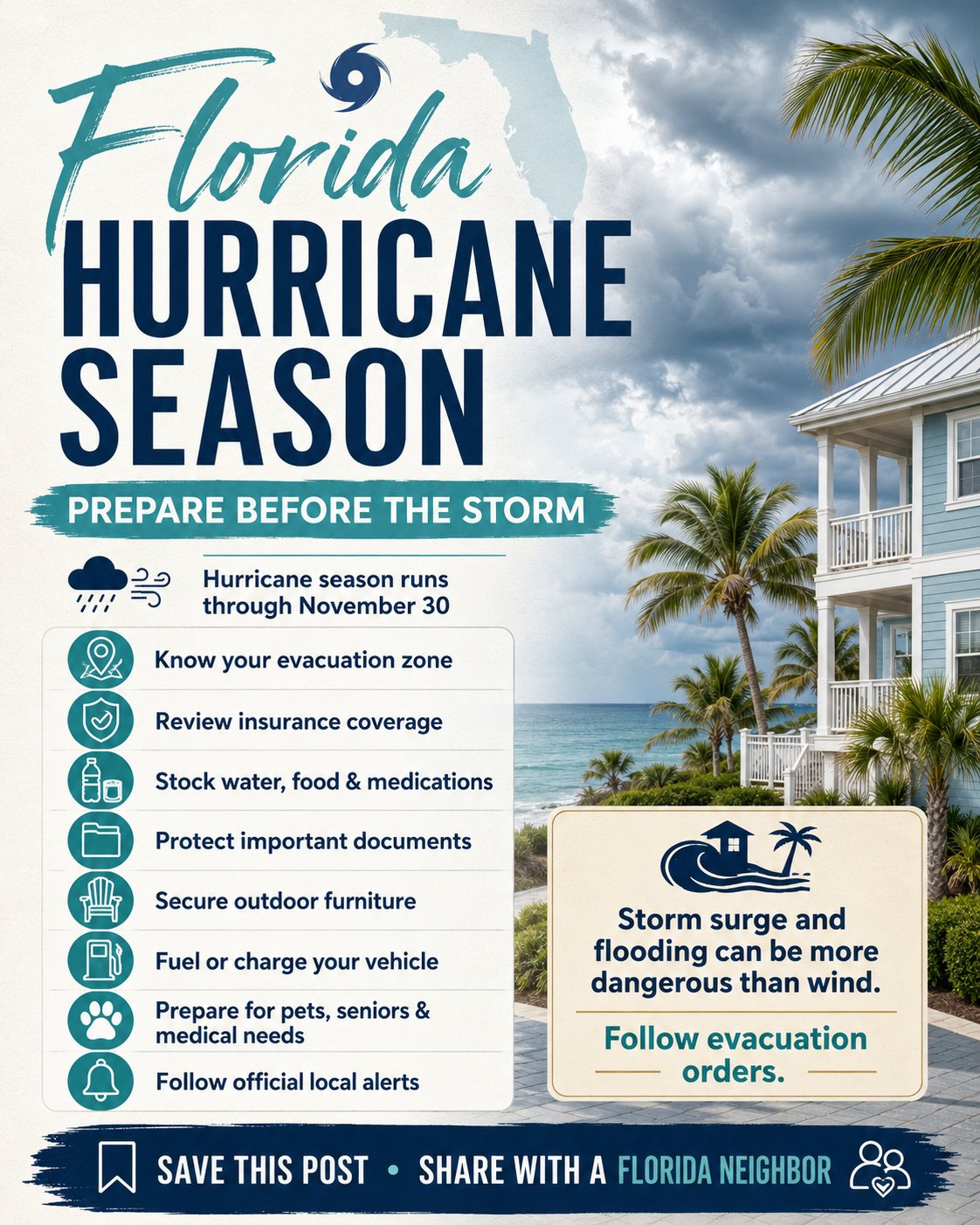
**Primary category:** Florida Homeownership **Additional categories:** Hurricane Preparedness, Home Safety, South Florida Living, Real Estate Resources, Coastal Living, Insurance & Property Protection, Palm Beach County, Seasonal Homeowners
A practical checklist for protecting your home, family, pets, documents and evacuation plan before hurricane conditions threaten Florida.
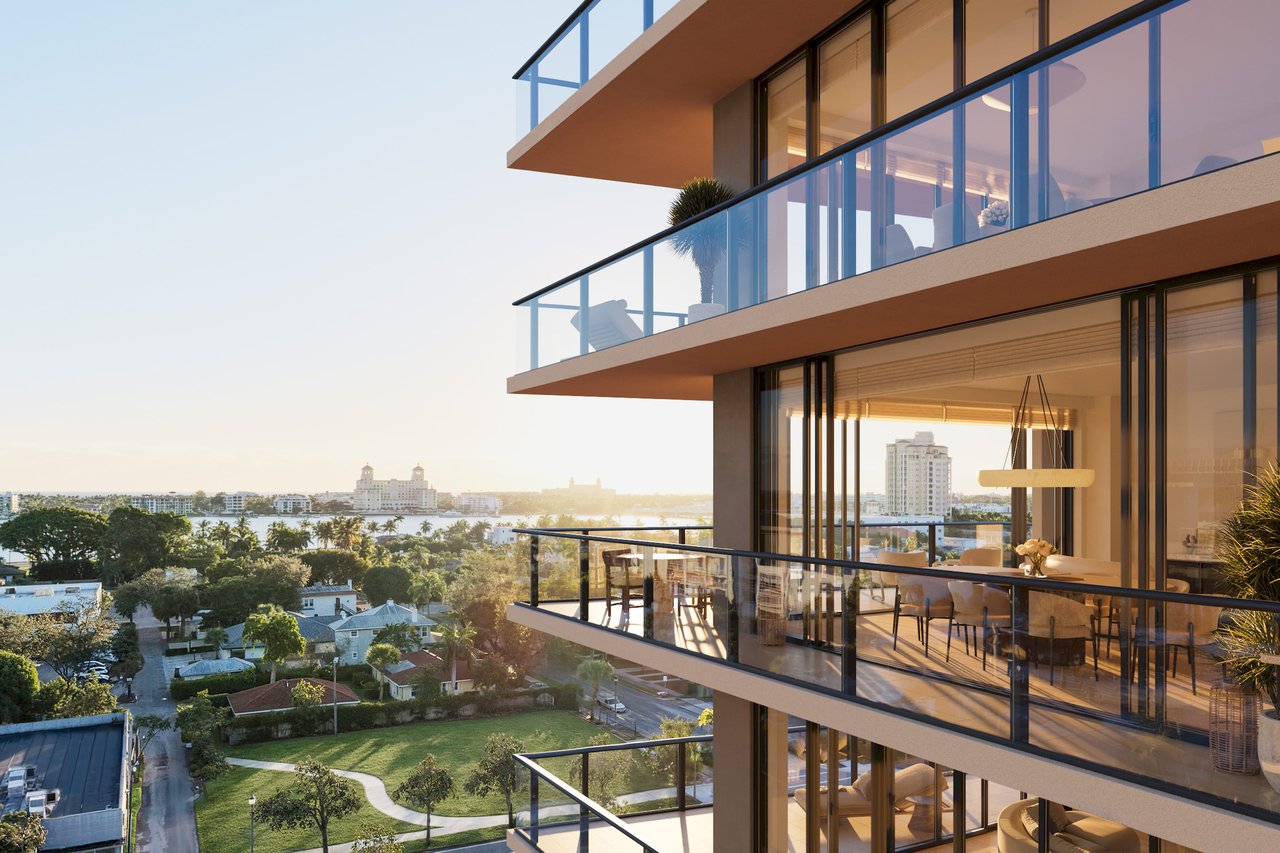
Luxury Real Estate. West Palm Beach. Luxury Living
Discover resort-style living, exceptional amenities, and sophisticated residences in one of West Palm Beach's most exciting new luxury condominium developments.
When you choose Monica Reiner as your real estate broker, you can be confident that you have a seasoned professional on your side, dedicated to achieving your goals and surpassing your expectations. Contact Monica today to embark on your real estate journey.