Westhampton Lifestyle Choices: Beach, Bay or Village?
January 1, 2026
January 1, 2026
Craving salt air, sunset bays, or a walk-to-everything Main Street? If you are exploring Westhampton, you have three distinct ways to live: oceanfront on the dunes, bayfront along calm waters, or in the village center with shops and services at your door. Each option shapes your daily routine, budget, and long-term value in different ways.
You want clarity before you commit. You also want straight talk on tradeoffs like flood risk, insurance, walkability, and permits. In this guide, you will compare the lifestyles, understand key costs and rules, and leave with a simple checklist to shop with confidence.
Let’s dive in.
Westhampton sits on Long Island’s South Fork within the Town of Southampton, with the incorporated Village of Westhampton Beach at its heart. You can choose from three lifestyle settings that reflect how you want to live day to day.
Your choice affects convenience, insurance, maintenance, rental potential, and resale. The sections below break it all down.
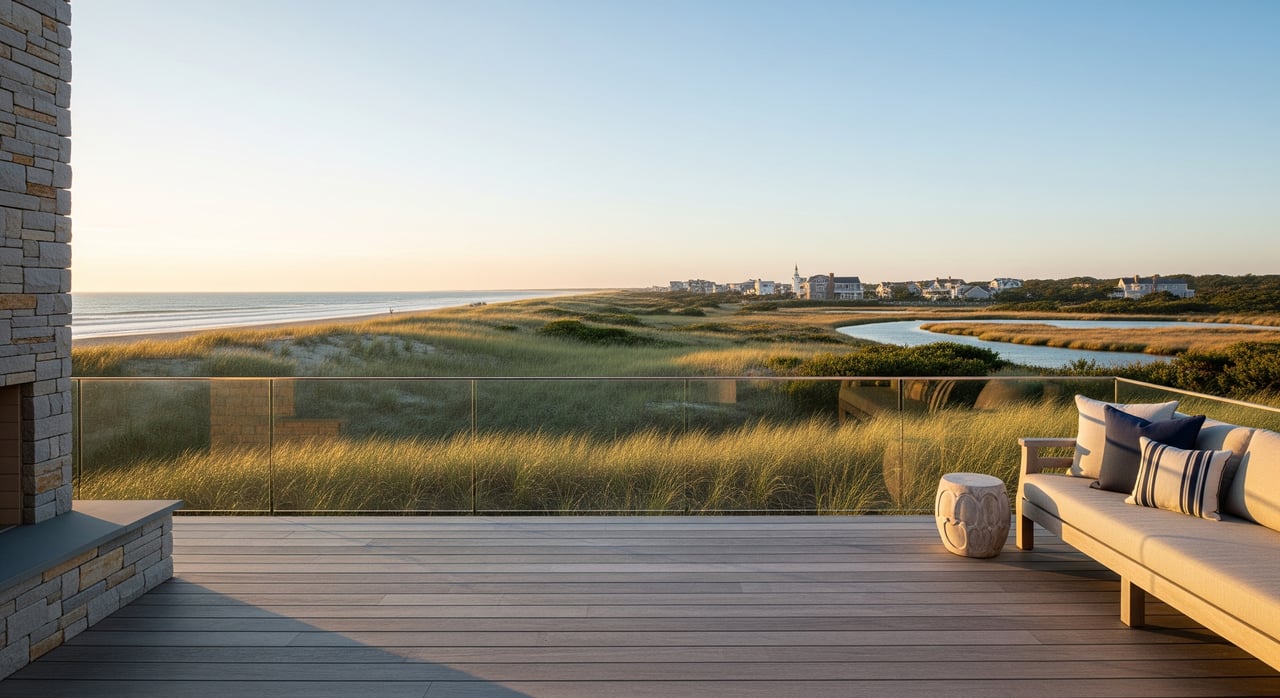
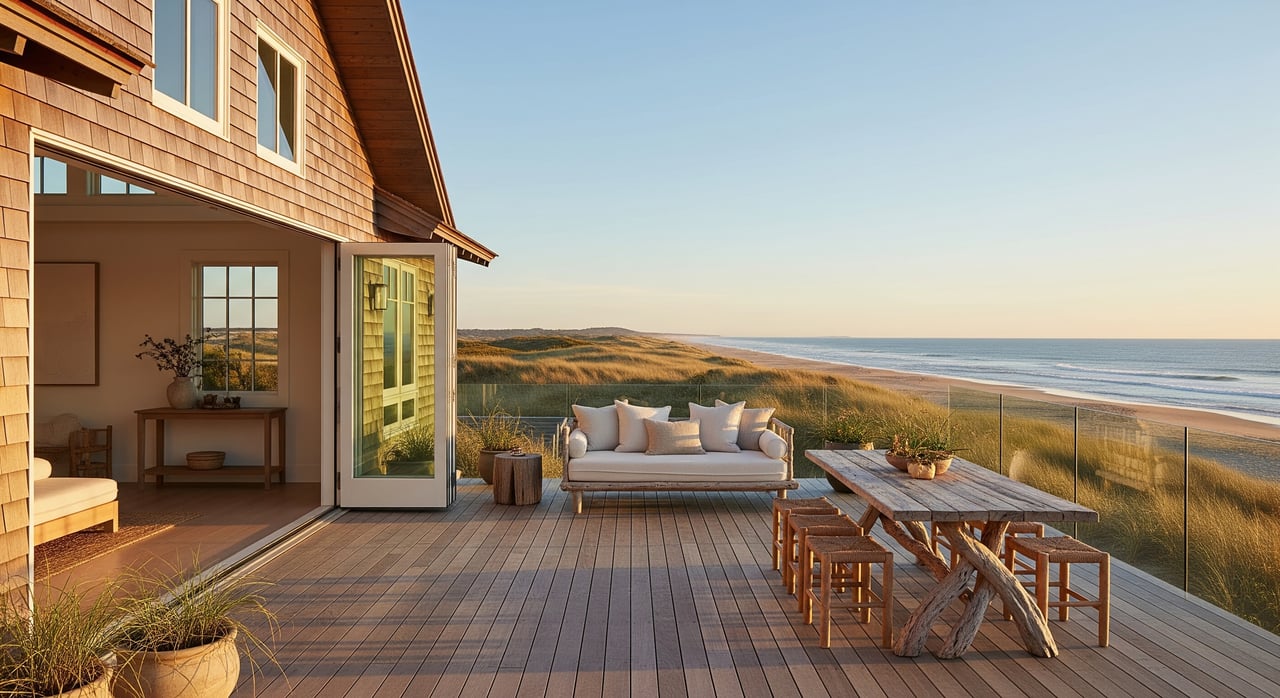
Oceanfront homes deliver uninterrupted beach access and dramatic views. Properties range from elevated seasonal cottages to substantial coastal estates. Privacy and the sensory experience of the ocean are the main draw.
Walkability is limited on the barrier beach. You will drive for groceries and most services. Some stretches offer seasonal amenities, but year-round errands typically happen in the village center.
Oceanfront parcels often lie in higher-hazard FEMA zones with exposure to storm surge, waves, and erosion. Review the exact address on the FEMA Flood Map Service Center and request the elevation certificate. Flood insurance is common for mortgages, and premiums are influenced by zone, elevation, and mitigation. For basics and quotes, start with the National Flood Insurance Program.
Many oceanfront enclaves have HOAs or beach associations that manage dune access, road maintenance, aesthetics, and repairs after storms. Coastal projects may trigger New York State and local reviews. Learn about coastal erosion protections and setbacks via the NYS Department of Environmental Conservation, and confirm local building requirements with the Town of Southampton Building Department.
Bayfront living places you on calmer water with docks, kayaking, fishing, and sunset views. Housing options range from single-family homes to condo and townhouse developments near marinas.
Walkability varies. Many bayfront homes are a short drive to village amenities. If you are near the village fringe, biking and quick errands are easy.
Bayfront properties face tidal flooding and storm surge from the bay. Zones and premiums vary by elevation and distance from wetlands. Use FEMA maps for a property-specific view and consider mitigation like elevated utilities and flood vents.
Waterfront associations often have rules for docks, boat slips, guest parking, and exterior updates. Wetland and shoreline work can require county, town, or state permits. Plan ahead for approvals and potential assessments, especially after major storms.
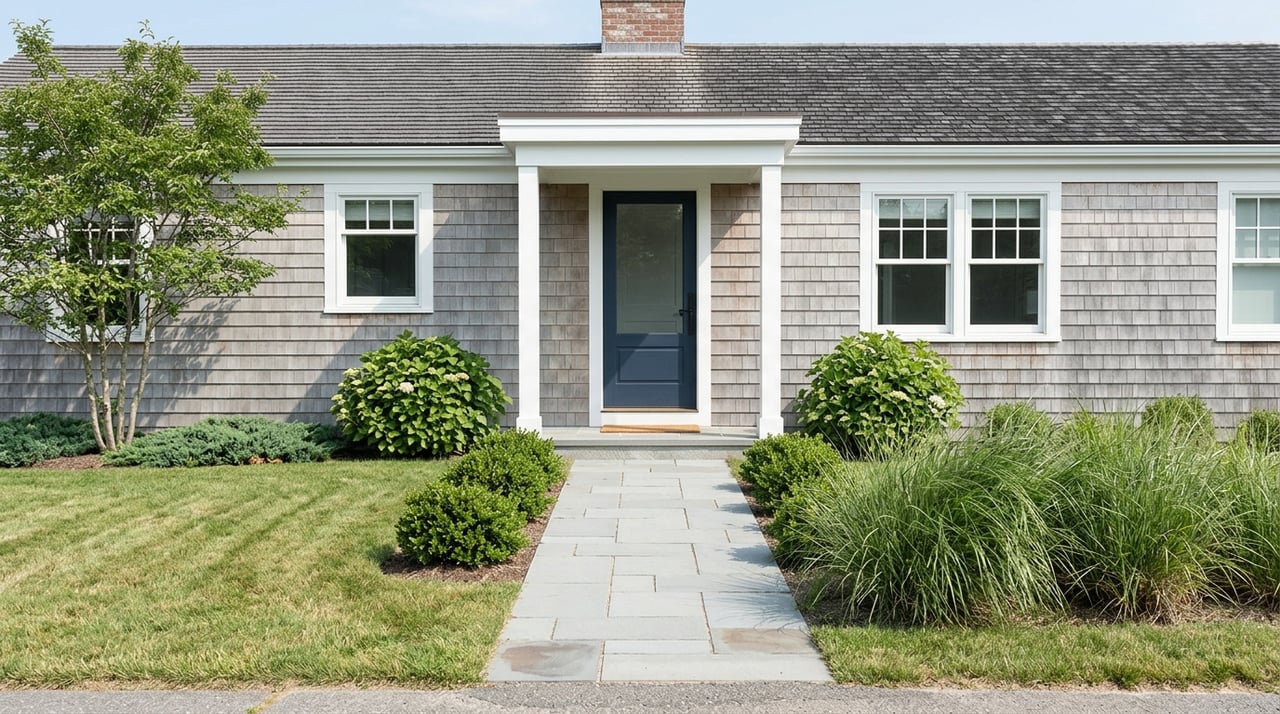
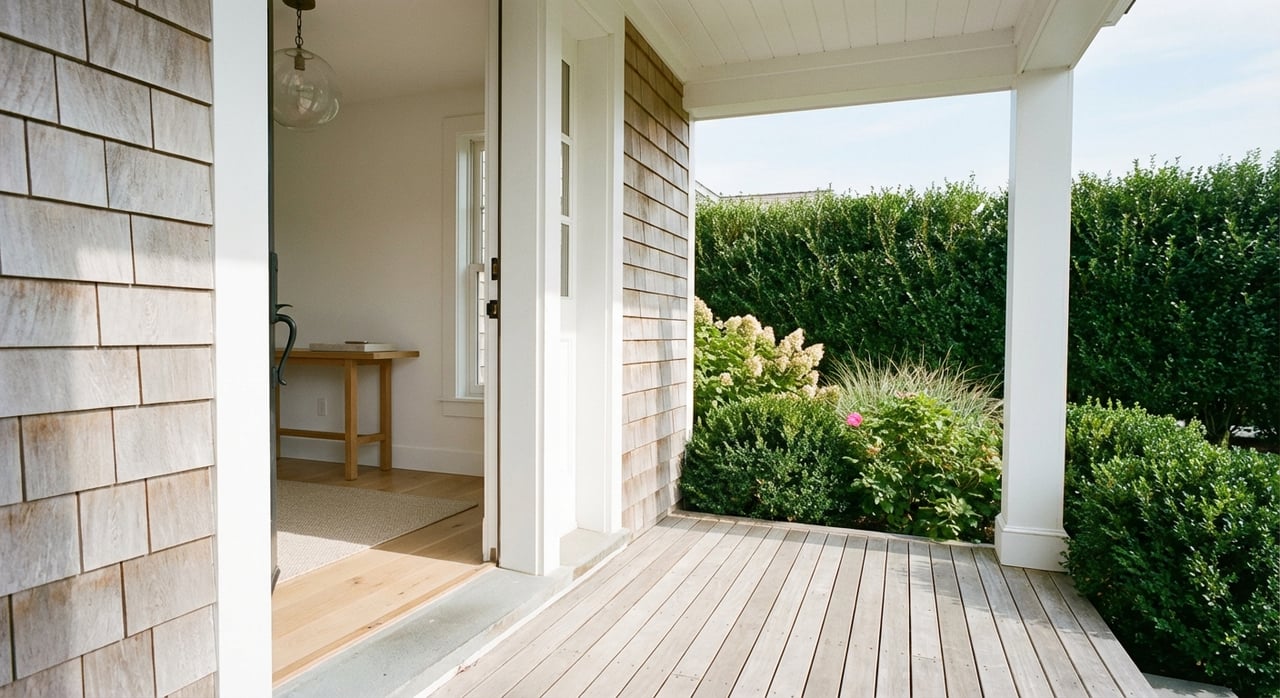
The village center blends residential streets with shops, dining, services, and community events. You will see cottages, historic homes, apartments above shops, and condominium choices within an established streetscape.
This is the highest-walkability option. You can access restaurants, groceries, and civic services by foot or bike. For schedules to and from New York City and other Long Island points, check the Long Island Rail Road Montauk Branch.
Some low-lying village blocks near creeks may sit in flood zones, but many inland streets are less exposed than the dunes. Verify each address on FEMA maps. Village services and municipal infrastructure support year-round living and consistent resale appeal.
If you are deciding between two settings, compare the same day in each location. Walk to coffee, time the drive to the beach, and stand outside during evening winds. Your senses will guide the right call.
With more than 30 years of Hamptons experience and a concierge approach backed by Douglas Elliman, Monica helps you weigh lifestyle, risk, and long-term value across oceanfront, bayfront, and village properties. From off-market sourcing to insurance and permitting strategy, you get clear guidance tailored to how you want to live.
Ready to explore Westhampton with a plan? Schedule a private consultation with Monica Reiner.
Stay up to date on the latest real estate trends.

Boca Raton & Delray Beach
From Boca Raton to Delray Beach and Highland Beach—Explore Luxury Homes, Market Trends, and Smart Buying Opportunities

When you choose Monica Reiner as your real estate broker, you can be confident that you have a seasoned professional on your side, dedicated to achieving your goals and surpassing your expectations. Contact Monica today to embark on your real estate journey.