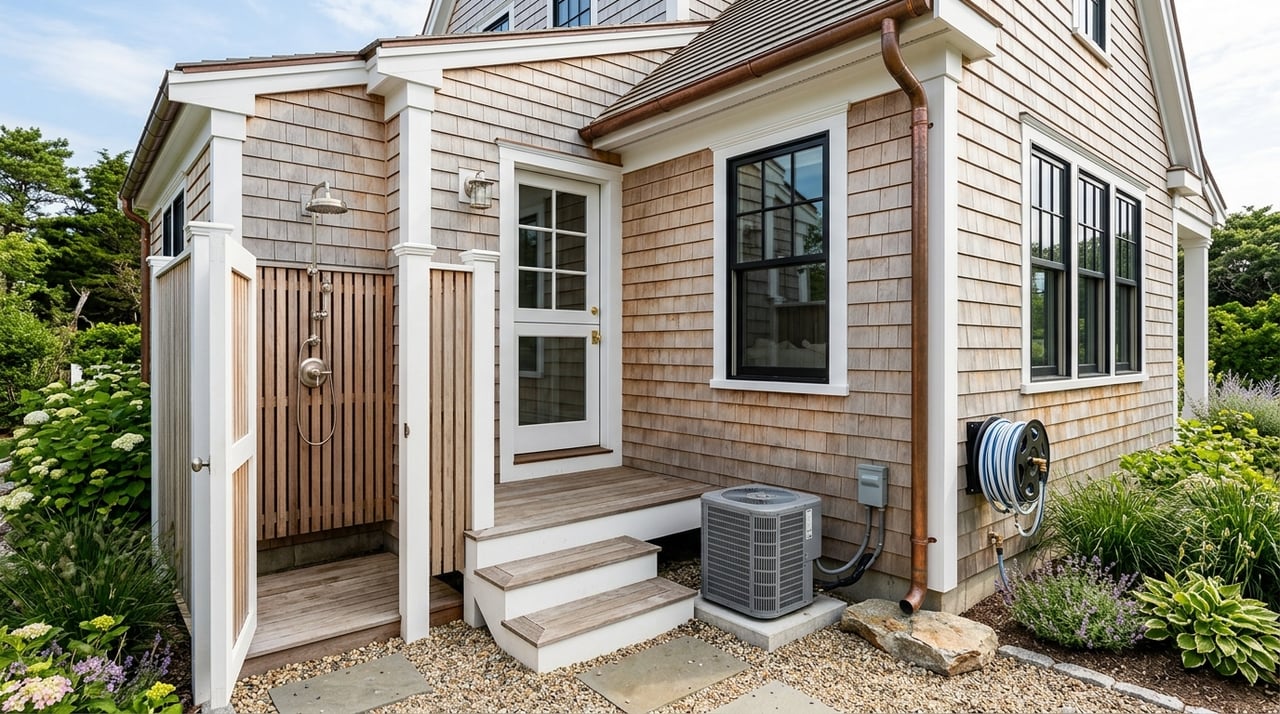
Montauk Beach Cottage Buying: Costs and Rules to Know
June 25, 2026
June 25, 2026
Dreaming about a Montauk beach cottage? The appeal is easy to understand, but owning one comes with a different set of costs and responsibilities than many other second homes. If you are thinking about buying in Montauk, it helps to understand the recurring expenses, local rules, and seasonal upkeep that shape the ownership experience. Let’s dive in.
Montauk is part of East Hampton Town, a 69-square-mile peninsula with 131 miles of coastline. That coastal setting is a big part of the lifestyle, but it also shapes what ownership looks like in practical terms. Storm exposure, salt air, water management, and seasonal use are not occasional concerns here. They are part of the baseline.
East Hampton also recognizes seasonal and intermittent occupancy as a nonprincipal residence. For many buyers, that fits how a Montauk cottage is actually used. If you plan to own a second home rather than live there full time, you will want a clear plan for inspections, vendor access, storm readiness, and off-season care.
A Montauk beach cottage can be deeply rewarding to own, but it is best approached as an actively managed coastal property. Your purchase price is only one part of the financial picture. Ongoing carrying costs deserve just as much attention during your search.
Property taxes are one of the biggest recurring costs to budget for. East Hampton’s Tax Receiver handles more than 24,000 property tax bills, and those collections support the town along with fire, school, library, lighting, water, and other special districts.
That means taxes are not a minor line item. When you compare cottages, you should look at the annual tax burden as part of the full ownership cost, right alongside financing, insurance, and maintenance.
Insurance is another major category, especially in a coastal market. Flood coverage is often separate from standard homeowners insurance, and building coverage and contents coverage are typically purchased separately.
If a property is in a high-risk flood zone and the mortgage is federally backed, flood insurance is required in communities participating in the National Flood Insurance Program. Even beyond lender requirements, insurance review should be a standard part of your due diligence in Montauk.
Water service in the area is provided through the Suffolk County Water Authority, whose service territory extends to Montauk. The authority has also issued alerts when Montauk’s distribution system has faced high water demand, which tells you that water use can become a practical issue during peak periods.
Wastewater is just as important to verify before you buy. Some properties may be connected to sewer, while others rely on septic or older cesspool systems. East Hampton’s wastewater planning for Montauk is being developed in phases, and the town has noted that older cesspools and traditional septic systems do not treat nutrients or bacteria well.
That makes it important to confirm exactly what serves the property and what level of maintenance or future upgrade you may be taking on. In some cases, East Hampton offers septic incentives for eligible owners who replace an existing system with a Suffolk County Department of Health Services-approved low-nitrogen system. Maximum rebates are up to $20,000 in the Water Protection District and up to $15,000 elsewhere in town.
Coastal ownership usually means more wear and tear than inland ownership. Salt spray and onshore winds can speed up corrosion in metal fasteners and connectors, which can affect decks, railings, hardware, and other exterior components over time.
In real terms, that means you should expect more frequent attention to roofs, windows, siding, moisture control, and outdoor structures. Routine maintenance is not just about appearance. It helps protect the property from avoidable damage and larger repair bills.
In Montauk, storm preparation should be built into your annual ownership plan. Guidance for coastal homeowners emphasizes keeping the home in good repair, securing loose outdoor items, and boarding up windows and doors when conditions call for it.
Flood-prevention guidance also points to clearing gutters and elevating utilities when flooding is a concern. If you will not be in Montauk year-round, it is wise to think through who will handle pre-storm prep, post-storm checks, and urgent repairs if weather moves in while you are away.
Many buyers want the option to rent out a Montauk cottage when they are not using it. That can be a valuable part of the ownership strategy, but the local rules matter.
East Hampton requires owners who rent residential property by the week, month, season, or year to register and obtain a Rental Registry Number. The registration package includes a notarized form, a self-inspection checklist, confirmation of a Certificate of Occupancy on file or through the Building Department, and a $100 filing fee for a two-year term.
The registry number must be included in rental advertisements. The town also requires a signed and notarized update form every time tenancy changes. For second-home owners, that means rental administration is an ongoing compliance task, not just a one-time filing.
Occupancy rules are another area to review early. East Hampton’s single-family residence code says that a group of more than four unrelated people is presumed not to be a family, and transient or seasonal groups are not considered a family.
At the same time, when an owner or family is away, the whole residence may be occupied by one family as a guest or tenant. If your rental strategy involves frequent turnover or group stays, you will want to understand how those rules apply before you purchase.
If the property includes an accessory apartment or ADU, East Hampton uses a separate annual permit process. That permit must be renewed each year with landlord and tenant information, a signed lease, and a fee.
For buyers considering a property with extra living space, this is worth verifying during due diligence. It can affect both legal use and your future rental planning.
One helpful detail in East Hampton’s rental process is the self-inspection checklist, because it shows what the town expects owners to monitor. The checklist asks whether the house number is visible from the street, whether stairways have handrails, whether smoke detectors work in every bedroom and sleeping area, and whether carbon monoxide detectors work on every level.
If there is a pool, code-compliant fencing, self-closing and self-latching gates, and alarms also come into play. These may sound like small items, but together they can shape your maintenance budget and vendor schedule.
A Montauk beach cottage is rarely a passive hold. Between taxes, insurance, exterior wear, wastewater systems, rental compliance, and seasonal weather response, ownership tends to work best when you approach it with a clear operating plan.
For many second-home buyers, that includes lining up trusted local help for inspections, turnovers, maintenance visits, and storm response. Even when you are buying primarily for lifestyle, the practical side of ownership still matters.
Before you move forward on a Montauk cottage, it helps to look beyond finishes and location alone. A smart review should include the systems, rules, and recurring expenses that will shape your day-to-day ownership experience.
Here are a few of the most important questions to ask:
When you answer these questions early, you can compare properties more clearly and avoid surprises after closing.
Owning in Montauk can be incredibly special, but the best experience usually starts with realistic expectations. If you want help evaluating a Montauk beach cottage through both a lifestyle and ownership-cost lens, schedule a private consultation with Monica Reiner.
Stay up to date on the latest real estate trends.

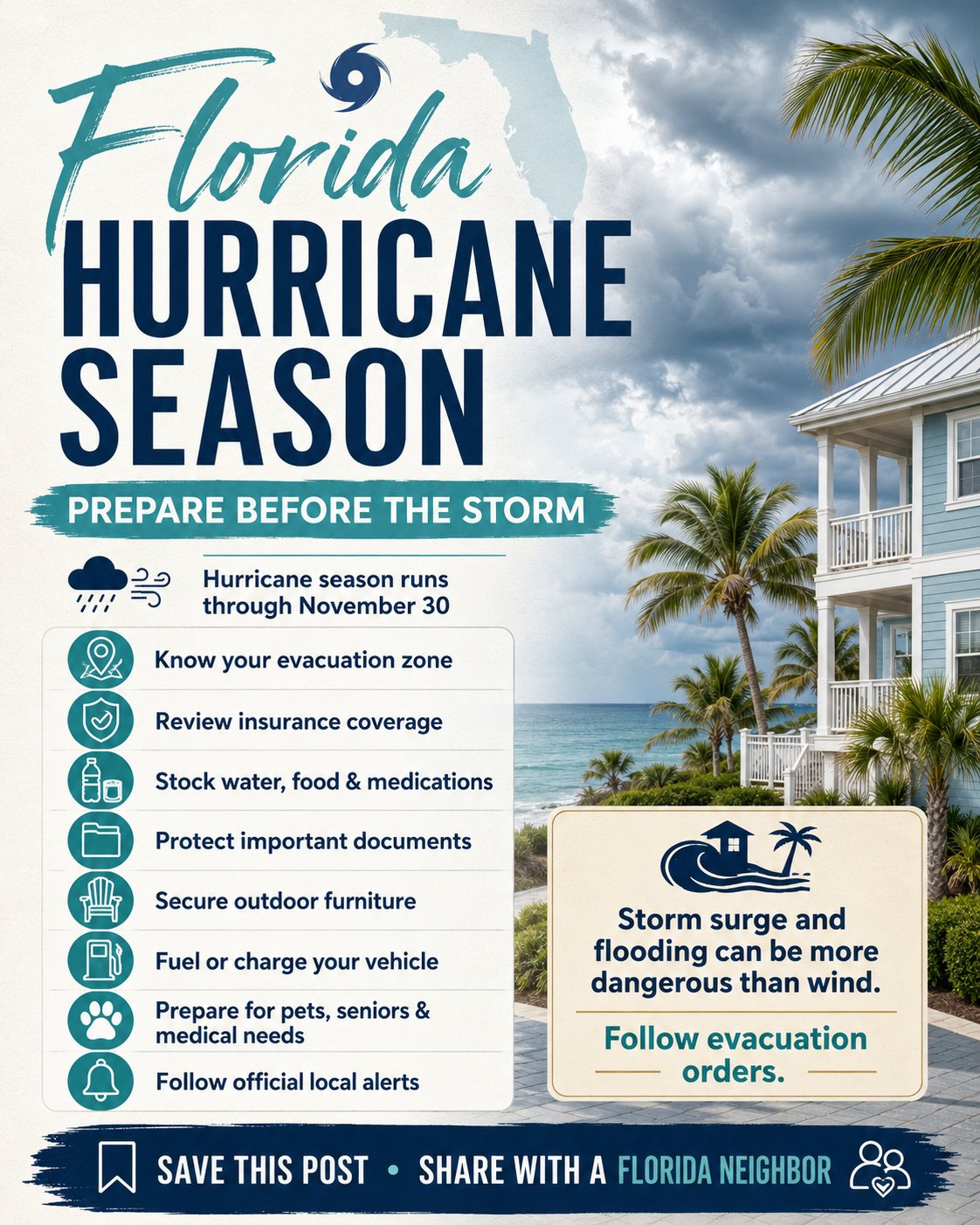
**Primary category:** Florida Homeownership **Additional categories:** Hurricane Preparedness, Home Safety, South Florida Living, Real Estate Resources, Coastal Living, Insurance & Property Protection, Palm Beach County, Seasonal Homeowners
A practical checklist for protecting your home, family, pets, documents and evacuation plan before hurricane conditions threaten Florida.

Luxury Real Estate. West Palm Beach. Luxury Living
Discover resort-style living, exceptional amenities, and sophisticated residences in one of West Palm Beach's most exciting new luxury condominium developments.
When you choose Monica Reiner as your real estate broker, you can be confident that you have a seasoned professional on your side, dedicated to achieving your goals and surpassing your expectations. Contact Monica today to embark on your real estate journey.